Genesis Chapters 7–26: Sin, Mercy, and the Stories That Shaped Faith

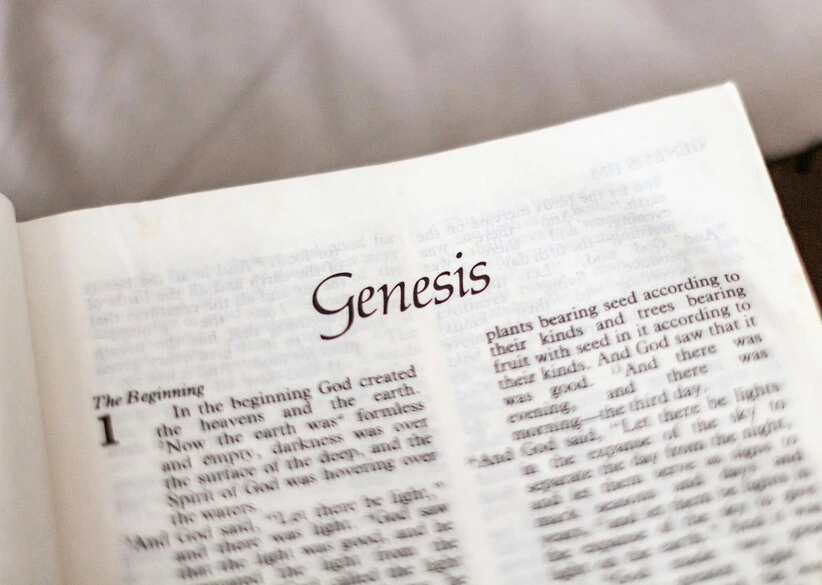
Genesis, the first book of the Bible, may seem far removed from our time, but the stories told have great relevance for us. Genesis chapters 7-26 include stories of drunkenness, incest, dishonesty, and general confusion.
God appears regularly to the people in the first half of the book of Genesis, yet they continue to sin. The big lesson for us is that God is forgiving and we are reliant on his grace for our very existence. When we violate his will, the consequences are severe. Do you feel the book of Genesis has relevance to your life?
Genesis Chapters 7-26 Summary

In Genesis Chapters 7-26, we are introduced to figures of great significance. We meet Noah, who built the ark. We meet Abram (Abraham) and his wife Sarai (Sarah), and his sons, Isaac and Issmeal. The children were both the forefathers of all Israelis and all Muslims. Lastly, Isaac’s sons Jacob and Esau are significant. What unites all of these diverse people is that they were all sinners.
We also learn about some momentous events. The Tower of Babel is introduced, and Sodom and Gomorrah are destroyed. Abraham is willing to sacrifice Isaac, which perfectly predicts the death of Jesus Christ. These events, and the great sins that are intertwined with them, reveal to us that God is forgiving, and we are reliant on His grace.
Chapters 7-9
Shem, Ham, and Japhet were the sons of Noah. Shem had sex with Noah’s wife, his mother, while Noah was passed out drunk, after the flood. This sin is grave and demonstrates to us that even the early biblical figures were sinners, yet God appeared to them and continued to give them opportunities.
Chapter 9-11
Tells the story of the Tower of Babel, and we meet Nirod, the mighty warrior. The Tower of Babel is a story of great confusion that came upon the citizens of the world. It is one of the most meaningful stories in Genesis, as it shows what can happen to us if we violate God’s will.
Chapters 12-13
The Lord gives Israel to his faithful servant Abraham. Although when we meet both he and his wife, they are called Abram and Sarai.
Chapters 14-15
These are the chapters of Genesis where God tells Abram he will have many descendants. We also meet Melchizedek, who is mentioned in every Mass. He is a priest-king who blesses Abram with an offering of bread and wine.
Chapters 16-17
This is where Abram and Sarai are renamed. Abraham gets circumcised (at 100), showing his obedience to God. He was told he would have Isaac and Ishmael, and that they would have many descendants, like grains of sand on a beach.
Chapters 18-19
The Lord appears to Abraham and Sarah and tells them they will have a child in six months. The Lord also tells him he is going to destroy Sodom and Gomorrah. This story in Genesis may be the most vivid in the Bible, as three people just appear. This presages the Trinity.
Chapters 20-21
Abraham is called the father of our faith, yet he passes his wife off as his sister to Amalek, the King of the Philistines. It is great that we have the sacrament of confession. When we lie like that, we need God’s healing.
Chapters 22-23
This is where Abraham is tested by God and almost sacrifices his son. God intervenes at the last minute. Sarah also dies at the ripe old age of 127. Typically, in the Bible, there is a family tree of Abraham presented here.
Chapters 24-26
Abraham takes a new wife, Judith, and dies at 175. His son, Isaac, was found a wife by his servant. This story is one of true faith. We also meet those sons of Isaac, Jacob and Esau. Isaac was married at 40. He follows his father in passing his wife off as his sister to Alamlek. There are many stories about Jacob and Esau, but the best one is that Jacob was willing to give up his birthright as the firstborn son for a bowl of beans.
Conclusion
These chapters of Genesis play an important role in religious history, belief, and culture. Moreover, these stories are relevant today. Whether they are explored academically or spiritually, they offer insight into tradition, identity, and the human search for meaning.