Longevity Workouts For Benefits Backed by Science

The modern world is living under the constant threat of stress, an unmovable lifestyle, and chronic diseases. Longevity for life extension has not only become a trend but, more so, a scientifically supported need for a lively and satisfying life. Although there are several ways to prolong quality of life, exercise remains the most practical one. Besides quickly developing good-looking bodies, it also offers profound health benefits. Scientific studies have proven that movement, no matter if it’s aerobic training, strength workouts, or yoga, can prevent a person from being infected with heart diseases while at the same time being very active, resilient, and emotionally positive.
These longevity workouts are designed not only to add more years to life but also to give more life to the years as well. These make the individuals capable of living and being independent even when they are very old, thus retaining their vitality and happiness. One can say that the routines have a complete benefit on the body, say, to the heart, muscles, and bones. Not only do they get better all the way through, but they also last longer, therefore being healthier and more meaningful. So, by the power of the consistency of the workout backed by science, we could, throughout the decades, rise to the very nature of longevity and take the enormous advantages with it.
Aerobic Exercise
Brisk walking, jogging, cycling, or swimming are examples of aerobic workouts, which are the mainstay of training. These physiologic activities strengthen the heart, improve blood flow, and increase the total volume of air that can be inspired and expired by the lungs. Aerobic exercise cuts cardiovascular disease risk, the main cause of early death worldwide. Studies indicate that regular aerobic exercise can extend one’s life a few years longer, in addition to the aforementioned benefits. The impact of aerobic training on health is not only about fitness; the training is a direct contributor to aging in the way that it keeps the body active and resistant to chronic diseases.
Strength Training
Workouts consisting of weightlifting, resistance bands, or bodyweight exercises are all good ways to keep muscle and bone strength up in older people. Sarcopenia, which is the gradual decline in muscle strength and mass, is a main reason for people getting frail and losing independence as they grow older. The good thing is that people who do strength training at least twice a week can cut their risk of falls, fractures, and non-ambulatory states. The payoff goes beyond just being physically strong. Scientific studies have found a connection between strength training and better metabolic health, lower inflammation, and lower all-cause mortality; hence, the practice is a pillar of longevity.
High-Intensity Interval Training (HIIT)
HIIT is a methodical regimen that incorporates alternating between intense effort and recovery periods—to be specific, sprint intervals or circuit training. It is an exercise style that is highly productive, providing cardiovascular as well as metabolic improvements in a shorter period than traditional steady-state cardio. Studies show that HIIT has a positive effect on insulin sensitivity, fat burning, and mitochondrial function enhancement, which, in turn, is energy production and cellular health. The benefits of HIIT are especially remarkable for longevity since it positively affects fitness parameters that are strongly linked to a longer life span.
Balance & Flexibility Work
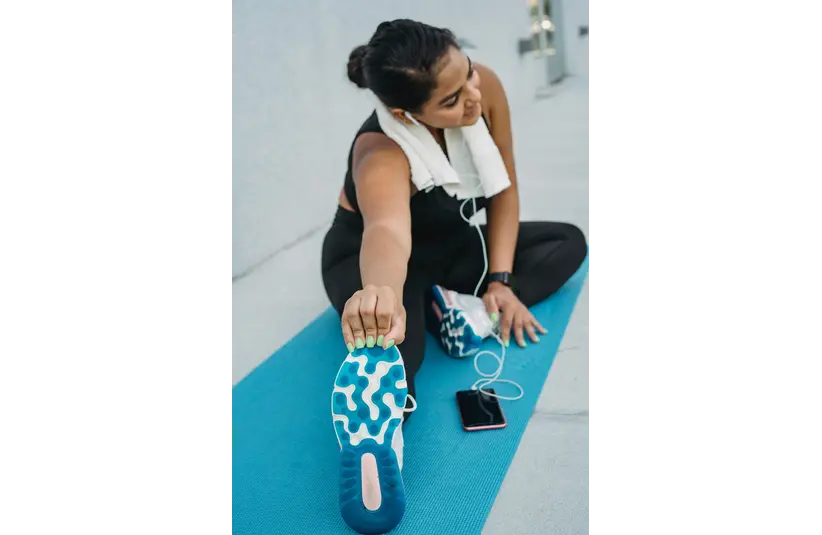
Incorporating yoga, tai chi, Pilates, and stretching into daily practice is extremely important for keeping mobility and preventing injury. Old age leads to the decline of balance and flexibility, which raises the chances of falling and suffering fractures. Regular practice of these exercises benefits not only one’s joint health but also posture, coordination, and even stress levels. One study shows that tai chi, in particular, is effective in enhancing both stability and cognitive resilience in senior citizens. The impact of balance and flexibility exercises on longevity is tremendous because they help in keeping one independent and living a good quality of life.
Mind-Body Practices
Yoga, qigong, or meditation-infused movement are examples of mind-body workouts that emphasize the very close relationship between physical activity and mental clarity. Such practices lead to the decreased secretion of stress hormones like cortisol, sleeping better, and having better emotions—protective factors that are directly associated with a long life span. Chronic stress speeds up the aging process and raises the risk of disease, but mind-body routines help support relaxation and resilience, thus making it harder for stress to affect you. The good things that these practices bring about are not only for the body but also for the mind; thus, mental health is being nurtured, and longevity is accompanied by peace and energetic living.
The quest for longevity is not about extending the years; it is rather about the quality of every year we live. Science has revealed that one of the most effective ways to prolong our lives and healthy years is through physical activity. The real advantages of longevity workouts are offered by their ability to operate in tandem, reducing frailty and cognitive decline while at the same time providing energy, resilience, and happiness. The secret to a longer life does not lie in heavy-duty workouts but rather in the daily integration of movement in one’s lifestyle.
A consistent and varied exercise regimen means that we do not just add years to our lives—we add life to our years, ensuring vitality, independence, and fulfillment even in the later years. Finally, the road to longevity does not lead through shortcuts or quick fixes but through daily commitment that physically and mentally represents movement, strengthening, and caring for oneself.
Disclaimer: The information in this article is for educational and general wellness purposes only and is not a substitute for professional medical advice, diagnosis, or treatment. Always consult your doctor or another qualified healthcare provider before beginning any new exercise program, especially if you have existing health conditions, concerns, or injuries. Never disregard medical guidance or delay seeking it because of something you’ve read here.