
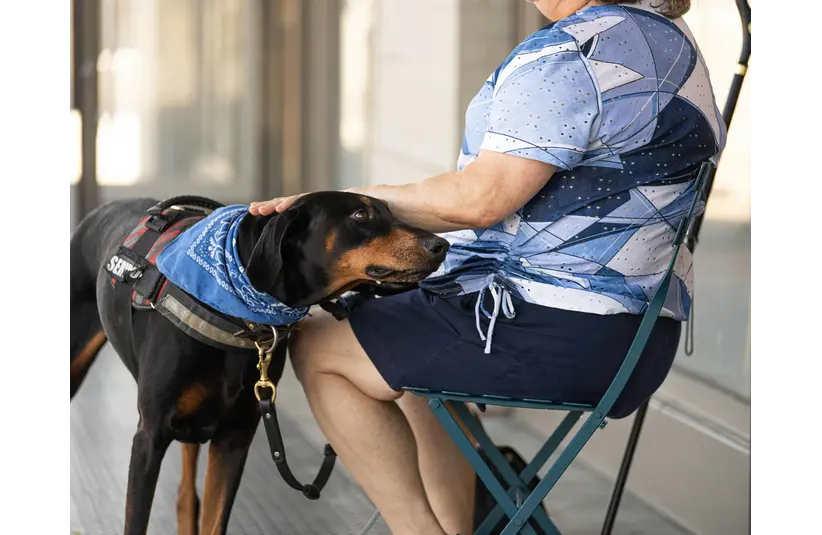
Remarkable: Bet You Didn’t Know Service Dogs Could Do These Things

Service dogs are often the unsung heroes you spot in public places. You’ve probably seen a Golden Retriever in a vest walking through the grocery store and thought, “Aww, cute dog,” but these canine companions are doing way more than just looking adorable while resisting the urge to sniff the produce. We all know they guide the visually impaired—that’s Service Dog 101. But did you know some dogs are basically furry little doctors and personal assistants?
The range of skills these service dogs possess is honestly staggering. We aren’t talking about “sit” or “shake” here. We’re talking about lifesaving, specialized training that allows people with disabilities to navigate a world that isn’t always built for them.
Here are a few things you probably had no clue service dogs could actually do.
Medical Alerts and Emergency Response
It sounds like science fiction, but it’s just biology and intensive training. Some dogs can literally smell chemical changes in your body before you even feel a symptom.
- Seizure Alerts: Before a handler has a seizure, the dog can sense the onset and warn them, giving them enough time to get to a safe place so they don’t get injured during the episode.
- Diabetic Alerts: When blood sugar drops too low or spikes too high, a diabetic alert dog picks up on the scent change on the handler’s breath and paws at them to take action. It’s like a glucose monitor, but with a wet nose.
- Allergen Detection: For people with severe allergies, a peanut or gluten crumb can be deadly. Some service dogs are trained to sniff out specific allergens in food or the environment, acting as a relentless safety inspector.
Psychiatric Support and Grounding
There is a massive difference between an Emotional Support Animal (ESA) and a Psychiatric Service Dog (PSD). While ESAs provide comfort just by existing, PSDs are trained to perform specific tasks to mitigate a mental health disability.
- Deep Pressure Therapy (DPT): If a handler is having a panic attack or sensory overload, the dog will use its body weight to apply pressure across the handler’s lap or chest. This physical pressure helps calm the nervous system.
- Interrupting Repetitive Behaviors: For individuals with OCD or autism who might engage in harmful repetitive behaviors, the dog can be trained to gently nudge or paw at them to snap them out of it.
- Room Checks: For veterans or civilians with PTSD who are terrified of entering a new space, a dog can be sent in first to “clear” the room and signal that it’s safe, allowing the handler to enter with lower anxiety.
Mobility Assistance and Household Chores
For people with mobility issues, gravity is often the enemy. Service dogs turn into the ultimate helpers, acting as an extension of their handler’s body.
- Retrieving Dropped Items: Drop your keys? Phone slide off your lap? These service dogs can pick up items as small as a credit card or as slippery as a dropped coin and hand them back without leaving a scratch.
- Opening Doors and Drawers: Through the use of tug ropes or handicap access buttons, mobility dogs can open doors, refrigerators, and even drawers to fetch medication or a drink.
- Undressing Assistance: Yeah, they can even help take off socks or jackets. It might sound like a small thing, but at the end of a long day, that independence is huge.
Intelligent Disobedience
This is my personal favorite. Most dogs are praised for obedience. Service dogs, however, are trained in “intelligent disobedience.”
If a visually impaired handler commands their dog to walk forward, but there is a silent electric car speeding toward the crosswalk or an open manhole cover in the way, the dog will refuse the command. They have to assess the safety of the situation and make an executive decision to ignore their boss to keep them alive. That is a level of critical thinking that some human coworkers don’t even possess.
The Reality of the Job
It’s easy to romanticize it, but this is work. These dogs are essentially medical equipment with a heartbeat. They work long hours, ignore distractions (squirrels included), and their training takes years.
So, the next time you see service dogs out and about, remember they aren’t just being good boys and girls. They are actively monitoring invisible medical data, scanning for threats, or ready to catch their handler if they fall. Just don’t pet them while they’re working—they’ve got a more important job to do than you do.