Best Gut Health Supplements

Maintaining your gut health is essential. Your gut is referred to as your second brain because it impacts your brain health, digestive system, and immune system. Forty percent of adults experience gastrointestinal (GI) issues regularly, ranging from occasional gas to chronic irritable bowel syndrome (IBS). Here are some supplements that may offer relief.
Probiotics
When using the right strains, probiotics can enhance digestion and keep harmful microorganisms from your digestive tract. However, consuming the right foods is always more advantageous for gut health. A health professional knowledgeable in nutrition and gut health can advise you on whether taking probiotics is right for you and assist you in finding a strain that’s best for your needs.
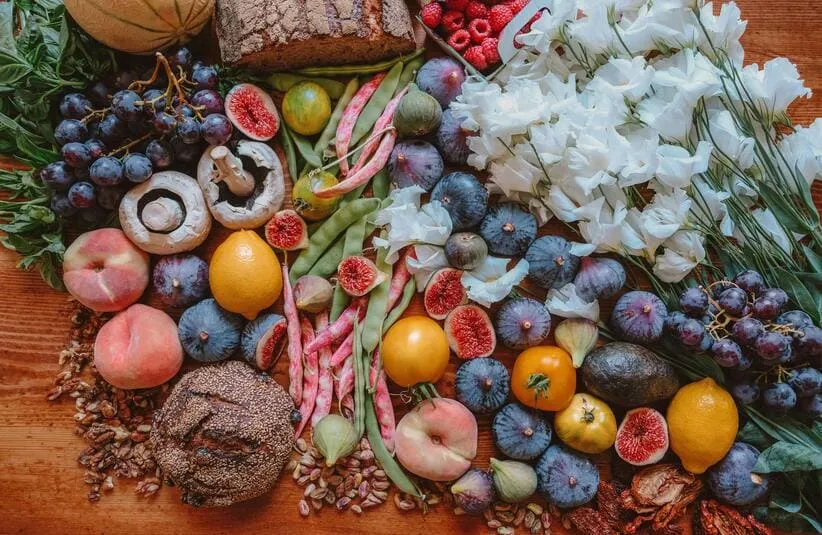
The delivery mode determines the effectiveness of probiotics. Consuming it in food is better because it buffers stomach acids, increasing the likelihood that they survive and then reach your gut. Fermented dairy products provide additional nutrients like protein and calcium that supplements often don’t. Protein-rich sauerkraut, kombucha, yogurt, and pickled vegetables are probiotic foods.
Prebiotics
These are food ingredients that aren’t fully digested by your body. They feed your digestive tract’s probiotic microorganisms and potentially enhance your gut and overall health. A 2018 nutrition meta-analysis outlined eight benefits of prebiotic fiber, including aiding gut bacteria that reduce intestinal inflammation, reducing constipation, and lowering IBS symptoms.
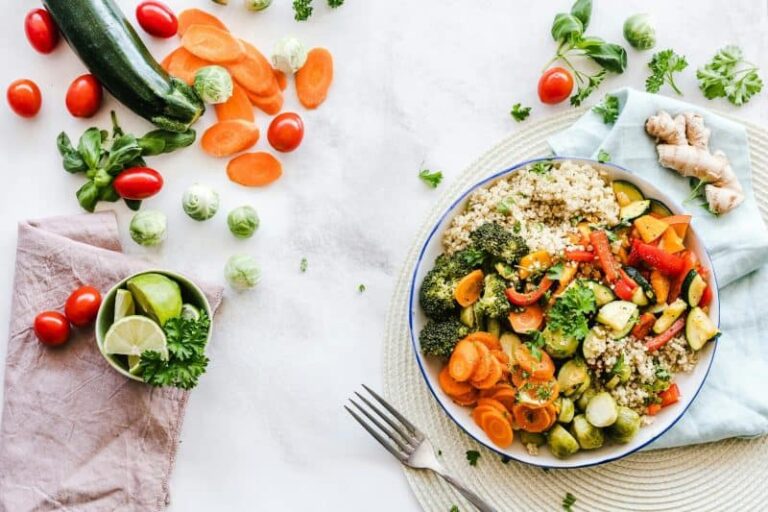
Psyllium husk is a fiber supplement that helps with constipation or loose bowel movements. It’s found in Metamucil, a bowel regulator that can be bought over the counter. Prebiotics can be taken as supplements but are also found in green vegetables, asparagus, artichokes, bananas, wheat, and oats.
Fiber
A lack of fiber can lead to many major medical issues, such as cancer, diabetes, and more. Therefore, fiber intake is key when you’re maximizing your gut health. The two types of fiber are soluble and insoluble: soluble fiber mixes with your body’s fluids, lengthening the digestive process, thereby lowering cholesterol, heart disease risk, and more. Foods that contain insoluble fibers are fruits, legumes, and most root vegetables.
The main source of insoluble fiber is Psyllium husk, and chia seeds allow it to flow through the gut more easily by bulking up waste. Some insoluble fibers may cause constipation as stool becomes too bulky to pass through. Consuming a great amount of fiber isn’t a magic cure for maximum gut health. Consuming the correct type in adequate amounts is helpful. Consult your health professional to learn which types of fiber are best for you.
Mint
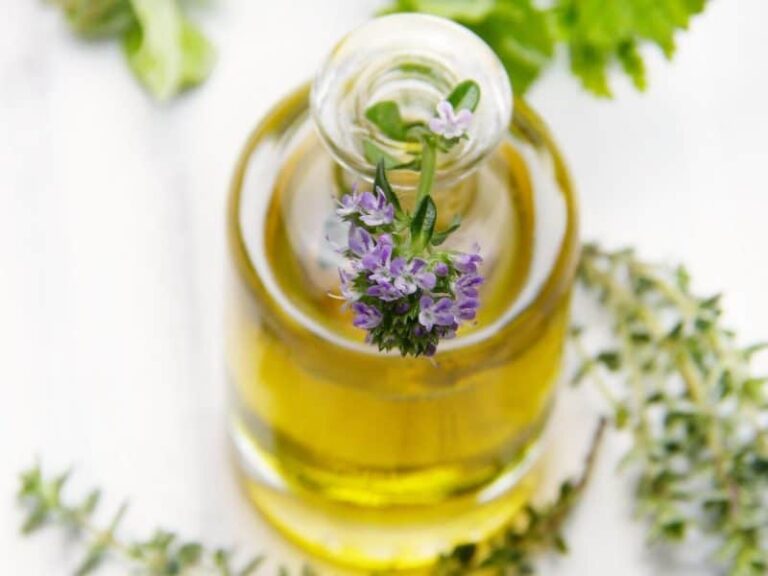
Using mint to settle the stomach dates back to ancient societies like Egypt, Rome, and Greece. A 2023 pharmaceutical meta-analysis confirmed that peppermint oil relieves spasms and relaxes muscles in the stomach, intestines, and large bowel. It’s often recommended to treat gastrointestinal sensitivities and IBS. The meta-analysis confirms it’s safe for gut health. In a 2020 study, researchers concluded that peppermint oil significantly reduces discomfort, symptoms of IBS, and abdominal pain.
Ginger
This supplement originates from ancient Chinese medicine. The main ingredients, ginerols, have antioxidant and anti-inflammatory properties. Reducing inflammation has a positive impact on Crohn’s disease and colitis, inflammation-based conditions.
A 2024 meta-analysis of modern Chinese Medicine determined that 2,000 milligrams of ginger daily benefits the digestive tract in people with IBS, colorectal cancer, and more. A 2023 nutrition study says ginger root powder may be beneficial in developing gut microbiota. Although clinical trials are sparse, ginger is a supplement worth consideration.
Signs of an Unhealthy Gut
Signs of poor gut health include abdominal pain, frequent bloating, fatigue, diarrhea, constipation, and excess gas. Consult a medical professional if these symptoms recur or interrupt your daily life. The following symptoms require immediate medical attention: fever, bloody stools, loss of bowel control, severe pain, and severe dehydration.
Love Your Gut
Take care of your body’s second brain by consuming the right foods and supplements that support your optimum gut health. Communicate with your health-care provider to know what’s right for your body. You can maintain your gastrointestinal health by alleviating symptoms that weigh you down.
Medical Disclaimer: This article is for general informational purposes only and is not a substitute for professional medical advice, diagnosis, or treatment. Everyone’s health needs are different, so always speak with a qualified healthcare provider before starting any new supplement, changing your diet, or addressing ongoing symptoms. Seek immediate medical care if you experience severe or worsening symptoms.