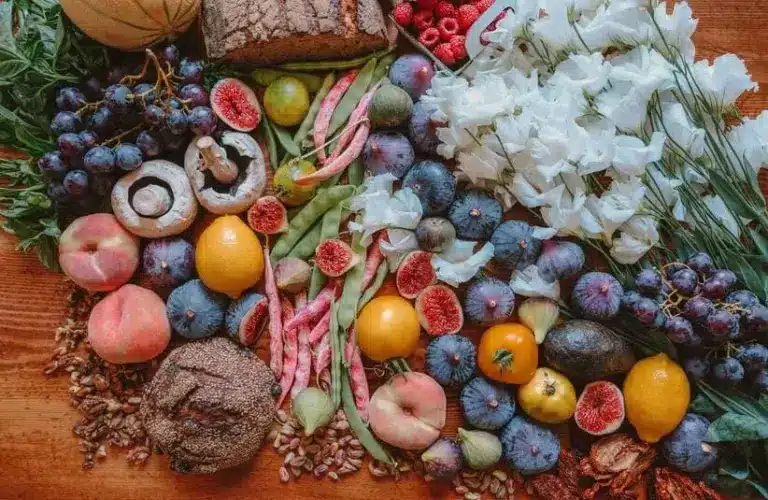

Seasonal Produce Guide: What’s Fresh in January

A new year signifies a fresh start, and what better way to begin than with the freshest seasonal produce available in January. The ripest fruits are typically grown near where they’re bought and can be more affordable than their imported counterparts. Knowing what produce is in season is a great way to enjoy it at its freshest and most flavorful.
Broccoli
Broccoli is a nutritious seasonal vegetable that is a rich source of vitamins C and K, as well as fiber and folate. This January, look for broccoli with firm stalks and no blemishes, compact, tight florets, and dark green heads. The stalks should be light green. Don’t buy broccoli that’s wilted, shriveled, discolored, browning, or yellowing in leaf color. Place dry broccoli in your refrigerator’s produce drawer to store it for no longer than a week.
Brussels Sprouts
The smaller they are, the more tender and sweeter they are. The larger ones taste like cabbage. Brussels sprouts attached to their stalks are best to buy. Their tall stalks prevent them from drying out, keeping them fresher longer. Look for bright green sprouts that are firm when squeezed and have tightly layered leaves. Don’t buy sprouts with holey, wilted, blemished, yellow, or wrinkled leaves. Store this seasonal produce in your refrigerator’s produce drawer in a plastic bag for no longer than four to five days. Although they’ll last for a few weeks, sprouts lose flavor as they age.
Cabbage
This seasonal produce should be firm and heavy, not soft, which indicates spoilage. Savoy, green, and red cabbage should be bright and fresh with tightly packed leaves. Napa cabbage is more loosely packed and somewhat crinkly; don’t buy cabbage with yellowing, cracked, bruised, discolored, or wilting leaves. Store it unwashed in plastic in your refrigerator or produce drawer for two weeks. After cutting, refrigerate sliced cabbage heads for 5 days in an airtight container.
Kale
Kale is a type of cabbage, not lettuce; it’s nutrient-dense, and two cups or 85 grams of kale include a day’s supply of most of the Vitamin C you need. Kale also provides vitamins A and K, iron, manganese, folate, potassium, fiber, and magnesium. This January, look for kale with thin stems and dark leaves. Don’t choose wilted, yellowing/browning leaves or those with a strong odor. Smaller kale leaves have a tender, milder taste. Store this seasonal produce dry in a plastic bag in your refrigerator’s crisper drawer for 5 days.
Spinach
Packed with vitamins A, B6, C, E, and K, it also contains fiber, folate, iron, potassium, riboflavin, and magnesium. A cup of cooked spinach provides almost 20 percent of the daily iron requirement for adults. Look for bright green, crisp bunches. Avoid leaves with insect damage, mushy sections, or limp leaves. Before storing this seasonal produce, soak up extra moisture by wrapping it in a paper towel. Then refrigerate in a plastic bag for about five days. To prevent spoilage, store spinach dry; freeze it for a year by blanching the leaves for 2 minutes. When it’s cool, drain and seal it well.
Blood Oranges
Not only high in vitamin C, but this seasonal produce also contains calcium, folate, and fiber. Choose blood oranges that appear heavy for their size. This indicates a high water content, meaning they’ll be juicy. Store on the counter for 2 days or refrigerate for 2 weeks.
Clementines
Choose those with a bright, citrusy fragrance that are firm, not hard; you should get a bit of bounce back after squeezing them. They should be heavy for their small size and brightly colored. Avoid clementines with peels that are separating from the flesh or have moldy, mushy spots. Store this seasonal produce at room temperature for a week. Keep out of direct sunlight. To make them last longer, store them in a plastic bag in your refrigerator’s produce drawer for six weeks.
Kiwi
A medium kiwi provides more vitamin C than one orange. The whole fruit is edible, including the skin and seeds. Ninety percent of kiwi is grown in New Zealand, but it keeps ripening after it’s picked. In January, ripeness is determined by it being soft, not mushy, brown, and plump, with no blemishes or bruises. Its scent should be firm and sweet. If a kiwi isn’t quite ripe, choose one that is unbruised and firm, without a strong scent. Kiwis should be stored in airtight containers in the refrigerator for 2 to 4 days. Keep kiwis away from tomatoes, apples, or avocados, or any fruits that discharge ethylene gas, which speeds up their ripening.
Pears
Although considered an autumn/winter fruit, Bartlett pears are harvested in August in the U.S., and a medium pear provides six grams of fiber. To choose a Bartlett, press the end of the neck; if slightly soft, they’re ready and ripe. As they ripen, their color changes from green to yellow, so choose green ones if you won’t consume them right away. A Red Bartlett remains more consistent in color but does brighten as it ripens. This seasonal produce should be stored until ripening, which takes two to ten days at room temperature. Enjoy them right away after ripening or refrigerate for about five days.
Cranberries
Fresh cranberries are hydrating, containing 87 percent water. They provide vitamin C and fiber. In January, choose plump cranberries that are yellowish or dark red in color and slightly opaque. They should be firm but give slightly when squeezed, and they should bounce, making an audible sound if dropped. If they look mushy, moldy, shriveled, or bruised, avoid them.
You can store this seasonal produce for eight weeks in your refrigerator’s produce drawer.This January, enjoy picking the best seasonal produce to ensure the freshest veggies and fruit. With all the vitamins and nutrients they pack, you’re sure to have a healthier, more flavorful year.