Gold Star Distribution Recall Expands as FDA Flags Widespread Contamination Risks

A wide Gold Star Distribution recall is underway after federal inspectors uncovered what amounts to a real-world contamination checklist inside the company’s storage facility. The FDA reported evidence of rodents, birds, insects, and other environmental hazards in areas where products were stored. These conditions created a risk that items were exposed to bacteria linked to animal waste.
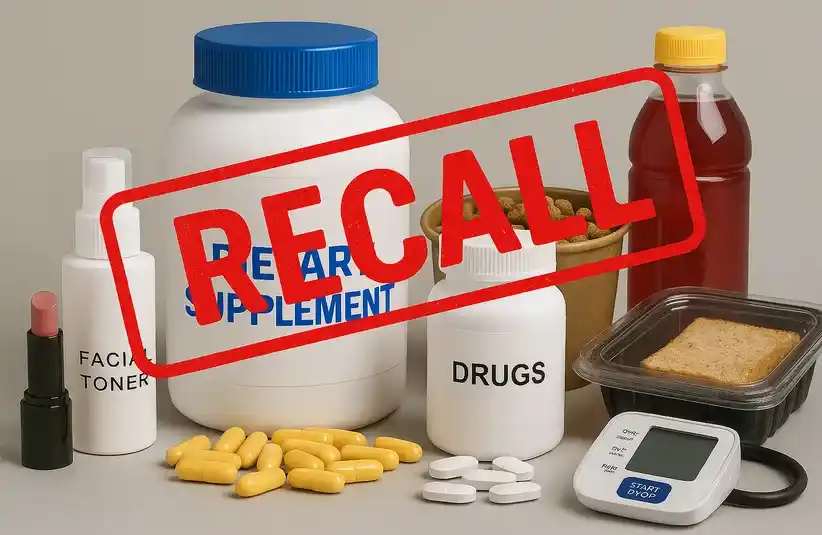
The facility held a mixed inventory of over-the-counter drugs, packaged food, cosmetics, dietary supplements, and pet products. The recall affects a broad range of consumers across three states because of the variety held at the location. Anyone who purchased items distributed by the company may be holding products that were stored in conditions that could spread illness.
Gold Star Distribution Recall Identified as Major Health Concern
To understand the scale of the issue, the FDA notes that contamination inside a storage facility can spread quickly across product categories. Sealed items can become unsafe if packaging is compromised or if surfaces are contaminated by pests. The agency typically issues a broad recall to prevent consumers from unknowingly using products that may carry harmful bacteria in situations like this. The discovery of multiple types of contamination also signals that the facility’s sanitation controls were not functioning as required under federal guidelines.
The FDA’s concern is straightforward. Contamination does not follow product lines. If packaging or contents were exposed to rodent or bird waste, the risk extends to consumers, pets, and anyone who handled the items. That is why the agency issued a recall that covers every FDA-regulated product stored at the facility.
Gold Star Distribution supplied products to retailers in three states. The FDA has a list of stores on the website. Still, the company’s distribution network suggests the recalled items may have reached small grocers, convenience stores, independent retailers, and online sellers.
If you purchased products from them during the affected period, you should stop using them right away. The FDA advises people not to return the items to the store because handling contaminated packaging could expose them to bacteria.
The FDA’s website lists these items as:
- Animal & Veterinary
- Cosmetics
- Dietary Supplements
- Drugs
- Food & Beverages
- Medical Devices
Instead, the agency recommends safe disposal. Items should be sealed in a bag or container before being thrown away to prevent accidental contact by people or animals. Consumers should wash their hands after handling any recalled products.
Retailers who received shipments from them are instructed to pull all affected inventory, quarantine it and follow FDA disposal guidance. Stores are also encouraged to notify customers who may have purchased the items.
The recall applies to every FDA-regulated product stored at the facility, regardless of brand or expiration date.
Additional FDA Guidance for Consumers and Retailers
The FDA’s inspection findings point to a facility-wide breakdown in sanitation. Investigators reported rodent droppings, urine, bird waste, and insect activity in areas where products were stored. These conditions can contaminate packaging surfaces or product contents.
Because it includes pet food, the FDA warns that animals may also be at risk. Pets exposed to Salmonella or similar pathogens can become sick and may spread bacteria to humans through contact.
The agency has not announced enforcement actions against the company, but the scale suggests oversight will continue. Consumers should monitor the FDA’s recall database for updates.
For now, the guidance is clear. Do not use the products. Do not return them. Dispose of them safely. Anyone who believes they became ill after handling or consuming a recalled item should contact a healthcare provider. If you think your pet has been sick after consuming these items, contact a veterinarian.
If you wish to receive recalls, market withdrawals, and safety alerts, visit the FDA website to enroll.