
How to Read Tarot for Group Settings During the Holidays

Let’s get one thing straight before we even shuffle the deck. Tarot guides aren’t just dry instruction manuals included in the box to be tossed aside like the terms and conditions of a new video game. These guides act as the lore books of the tarot world, offering the foundational “flavor text” for the 78 cards in a standard deck. They provide the historical context, the symbolism, and the baseline meanings that have evolved since the mid-15th century.
However, relying solely on the book during a session is like playing a tabletop RPG and stopping every five seconds to check the rulebook for a grappling check. It kills the momentum. While the guide is your tutorial level, the real magic happens when you go off-script and trust your gut, especially when you have an audience watching your every move.
What is Tarot Actually?
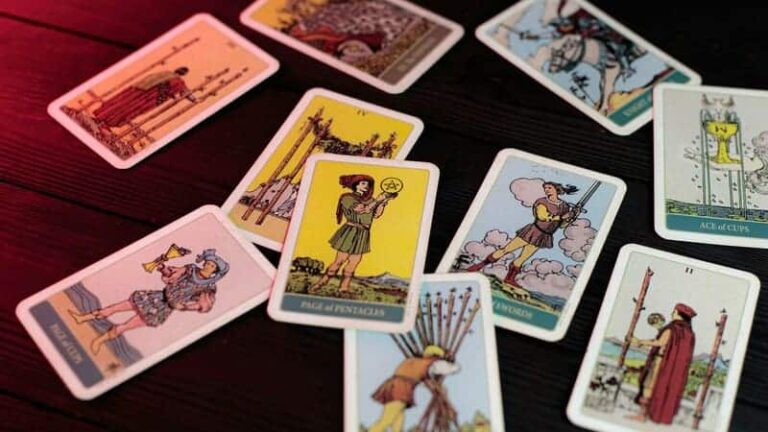
If you think Tarot is just a way to summon spirits or predict exactly when you’ll win the lottery, you have been watching way too many B-grade horror movies. At its core, Tarot is a tool for storytelling and introspection. It is a deck of 78 cards divided into the Major Arcana (the big life moments) and the Minor Arcana (the daily grind). Think of it less like a crystal ball and more like a mirror. It reflects what is already happening in your life, helping you process emotions or situations you might be ignoring. It’s psychological archetypes printed on cardstock, not a direct phone line to the other side, so let’s lower the spooky stakes a little bit.
Running a Group Setting Tarot Reading
Doing a solo reading is easy because nobody sees you cringe when you pull the Tower card for the third time in a week. A group reading, however, is a multiplayer raid boss. You are managing multiple energies, attention spans, and potential drama.
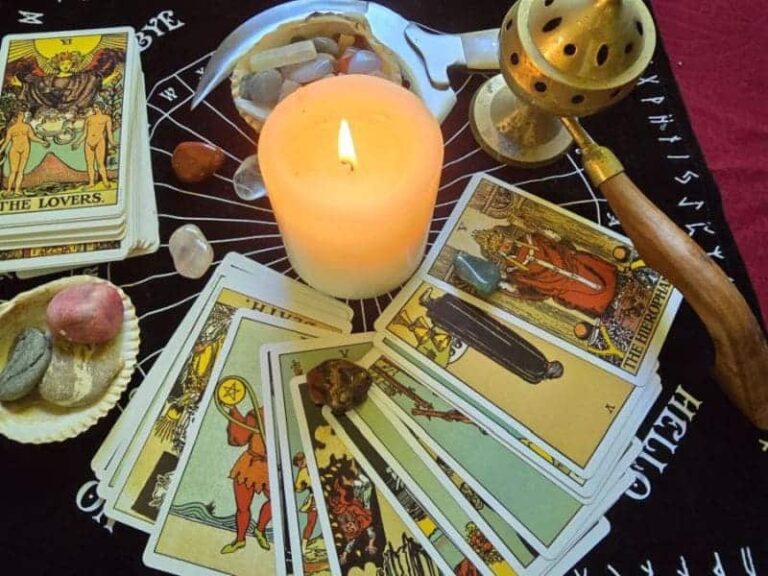
To keep things from devolving into chaos, you need to set the stage. First, ditch the harsh overhead lighting. You want “mystical tavern” vibes, not “DMV waiting room.” Second, assign roles if you have to. If you are the designated reader, own that space. If you are all learning together, take turns. One person shuffles, another cuts the deck, and someone else interprets. It keeps everyone engaged so they aren’t doom-scrolling on their phones while waiting for their turn.
Common Spreads to Help Navigate a Group
When you have a group reading, do not, I repeat, do not try to do a 10-card Celtic Cross for every single person. We will be there until the next solar eclipse. You need speed and efficiency. Stick to the classics. A simple Past, Present, Future spread is the MVP of group settings. It is quick, punchy, and gives enough info to be satisfying without dragging on.
Another great option is a single-card pull for everyone based on a collective theme, like “What is my main quest for the month?” It sparks conversation and lets people compare their “loot” (insights) without getting bogged down in complex interpretations.
Common Misconceptions About Group Tarot
There is this weird myth that you can’t let other people touch your cards or the deck will get “tainted.” Look, unless your friends have Cheeto dust on their fingers, it is fine. Cards are tools. They don’t have a fragile immune system.
Another misconception is that a group reading has to be solemn and serious. Absolutely not. If you pull the Devil card and everyone cracks a joke about someone’s toxic ex, that is a win. Laughter raises the vibration of the room better than any sage stick ever could. Tarot should be fun, interactive, and a little bit chaotic. If you are treating it like a funeral, you are doing it wrong.
Tips for a Positive Experience (And Avoiding Drama)
Here is the most important rule of group reading: don’t be a jerk. If the cards reveal something sensitive, use some tact. You don’t need to announce to the whole room that the cards think your friend’s relationship is doomed. Use broad strokes. Say something like, “It looks like there are some communication blocks here,” rather than, “Wow, he is definitely cheating on you.”
Also, set boundaries. If someone asks a question that makes the group uncomfortable, shut it down. You are the Dungeon Master of this session. You have the power to say, “The cards aren’t vibing with that question, let’s move on.” Keep it light, keep it respectful, and remember that you are there to connect, not to air dirty laundry.
Conclusion
Tarot in a group setting doesn’t have to be a high-pressure performance. It is a chance to bond, roast each other a little bit, and maybe gain some actual insight into your lives. Treat the cards with respect, but don’t take yourself too seriously. Shuffle the deck, trust your intuition, and enjoy the game.