
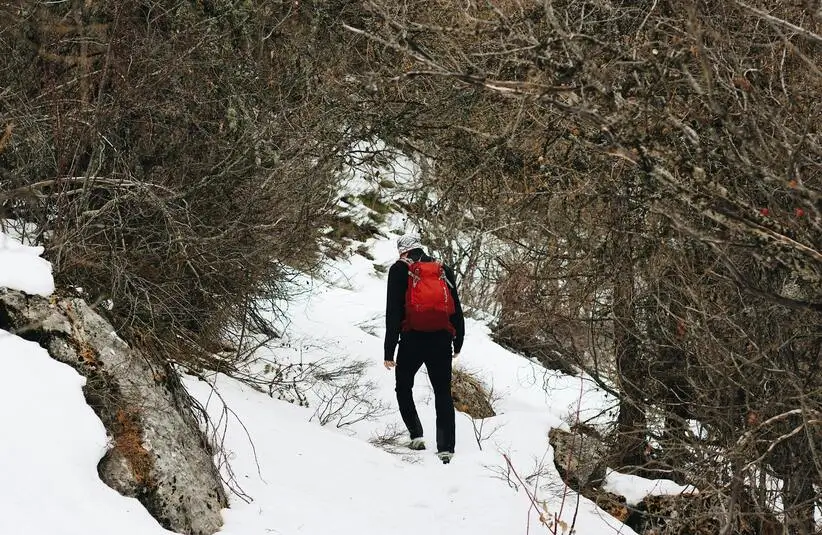
Best U.S. Destinations for Snowshoeing and Winter Hikes

Maybe you love snowshoeing in winter. Perhaps you long to head into the wilderness for winter hikes. The cold of winter creates frozen spectacles such as ice caves and frozen lakes. See a waterfall that freezes along with its mist. The snow adds sparkle to already amazing scenery. Observe how it highlights natural landscape features such as mountains. Choose a trail that fits your interests, and venture out into the wintry world. An excursion outdoors in winter can be a chance to get exercise in epic surroundings.
Places to Go Snowshoeing
You may be putting on snowshoes for the first time, or you may be experienced. Either way, snowshoeing possibilities abound. Many places in the United States offer trails suitable for beginners. New York is one state that has beginner snowshoeing. In the Catskills area of the state, try the Catskills Scenic Trail. This beautiful place is not that far from New York City. From Manhattan, you can get to this snowshoeing location in between three and four hours. There is parking available when you arrive. You will also find twenty-five miles of trail where you can bring your snowshoes. This trail is gentle in difficulty, and it features varied scenery for viewing.
Intermediate options for snowshoe trails are also plentiful. One trail possibility is located in Wisconsin. This trail, the Lakeshore Trail, can be found at the Apostle Islands National Lakeshore. This trail is six miles long and is great for snowshoeing. A feature of this trail is that it leads to a set of sea caves. These caves can turn into amazing ice caverns in winter. Traveling on snowshoes to see these epic caves may be just the adventure you crave.
If you have spent plenty of time on snowshoes, you may want a difficult trail. The Mount Healey Trail in Denali National Park could be for you. This trail option is located in Alaska. The trail works well for journeys on snowshoes. Also, the Mount Healey Trail provides a challenge. The National Park Service deems it to be a difficult trail. Wind is a particularly daunting weather possibility. On this trail, you can climb Mount Healey. The beginning of the trail is the entrance to the national park. The entire round-trip journey, to the end of the trail and back, is six miles.
Locations for a Winter Hike
Hiking is another active way to enjoy winter in beautiful places in the United States. Like those for snowshoeing, trails available for winter hiking vary in difficulty. If you are looking for an easier, possibly moderate hike, there are options. One lovely trail offering a relatively gentle hike can be found in Colorado. It is called the Emerald Lake Trail and is located in Rocky Mountain National Park. The total round-trip length of this hike is 3.2 miles. Hiking this trail in winter takes you to snowy mountains and a frozen lake. Watch out for patches of slippery ice as you walk. Also, getting out on your hike early is advisable.
Perhaps you want a slightly more strenuous hike that is still on the moderate side. In this case, you might try the Yosemite Falls Trail. This trail can be found in California. It is part of Yosemite National Park. This hike has a round-trip length of 7.2 miles. A highlight of this hike is being able to glimpse a partially frozen waterfall. Even the mist from Yosemite Falls may be frozen in winter. To prepare for any slippery conditions frozen mist may cause, come with stabilizing hiking gear. Microspikes can be useful. Trekking poles can, as well. Both can help you stay upright as you walk.
Spending Enjoyable Moments Outdoors in Winter
The winter wilderness is out there to enjoy. Find a destination, and go for a hike. Decide on a location, and try out some snowshoes. Think about the difficulty of the trail you would like to take. Also, consider whether you need any helpful items for added safety and ease. Beautiful scenes in New York, Alaska, Colorado, Wisconsin, and California look forward to your arrival. Experience the wonder of being outdoors when winter transforms the landscape.
Disclaimer: This article is intended for general informational purposes only. Outdoor activities such as snowshoeing and winter hiking involve inherent risks, including exposure to extreme weather, uneven terrain, and wildlife. Readers should assess their own fitness levels, check local conditions, and use appropriate gear before attempting any activity. Always follow park regulations, trail advisories, and safety guidelines from local authorities.