
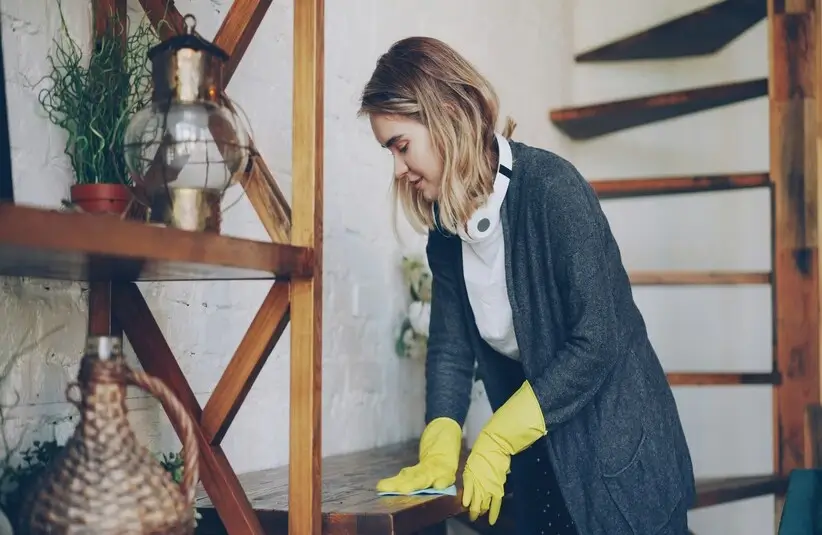
Best Ways to Kill Flu Germs at Home

When the flu hits your household, it’s not just the sick person who needs attention— germs can linger on surfaces for hours or even days, ready to infect someone else. Knowing how to properly clean and disinfect your home can break the chain of transmission and help protect your family. Below are some of the most effective strategies to rid your living space of these viral germs.
Cleaning vs. Disinfecting: Why Both Matter
One common mistake people make is assuming that cleaning alone removes all germs. Cleaning removes dirt and some microbes, but disinfecting is what actually kills viruses on surfaces. As Healthline explains, the most effective approach is to clean first and then disinfect, as debris can prevent disinfectants from working properly. This two-step method ensures surfaces are not just visibly clean, but also safer from lingering viruses.
Prioritize High-Touch Areas
Flu viruses can survive on frequently touched surfaces—like doorknobs, light switches, and drawer handles—for up to 48 hours. Targeting these hotspots is one of the best ways to disrupt transmission:
- Use disinfecting wipes or sprays to thoroughly clean and sanitize doorknobs, railings, and other commonly used surfaces.
- Be sure to follow product instructions; keeping the surface wet for the recommended time improves effectiveness.
- Don’t overlook vehicle surfaces, such as steering wheels and seatbelts, which can also harbor germs.
EPA-registered products, like Lysol, are formulated to kill 99.9% of viruses when used as directed.
Kitchen Cleaning & Disinfection
The kitchen is a hub of activity and a magnet for germs. After someone has been ill:
- Wash all dishes, utensils, and cookware in hot, soapy water or a dishwasher.
- Clean and sanitize countertops, fridge handles, and appliance surfaces, paying close attention to areas touched throughout the day.
- Don’t forget garbage bins and sink faucets, which can also collect germs.
A thorough wipe-down and sanitizing session helps ensure that lingering viruses are eliminated from places where food is prepared.
Bathrooms Need Extra Attention
Bathrooms are another critical zone for germ elimination. Start by cleaning hard surfaces with warm, soapy water, then apply a disinfectant to:
- Sink handles
- Toilet seats and flush levers
- Countertops
- Shower/tub surfaces
Laundry and Soft Surfaces
Soft surfaces like bedding and towels can harbor virus particles, too. After someone recovers:
- Wash all linens, towels, and clothing in the hottest water safe for the fabric.
- Dry items thoroughly to help kill remaining germs.
- Don’t forget to sanitize laundry baskets and hampers with a spray or wipe.
Hard-to-wash toys or cushions can often be steam cleaned to reach deeper into fabrics.
Don’t Forget Electronics
Phones, tablets, keyboards, and remote controls are handled constantly, and research shows they often carry more germs than toilet seats. Clean these devices with a soft cloth dampened with soap and water, then follow up with electronics-safe disinfecting wipes. Protect screens by using wipeable covers that make regular sanitizing easier.
Use Ventilation and Routine Habits
According to NDTV, “open windows and doors to improve air circulation and allow fresh air to enter your home. Ventilation helps reduce the concentration of airborne viruses and refreshes indoor air quality.” Maintaining consistent handwashing habits, disinfecting high-touch spots daily, and keeping spaces ventilated adds multiple layers of defense against germ spread.
Final Thoughts
Killing germs at home is about being strategic, not frantic. By focusing on high-touch zones, combining cleaning with proper disinfecting, and maintaining good hygiene habits, you can significantly reduce the risk of spreading germs through your household. Referencing trusted public health guidance—such as the detailed steps outlined on Healthline—helps ensure your approach is effective and evidence-based.
