
Filmmaker Ryan White Calls on Studios to Buy Non-Algorithmic Docs

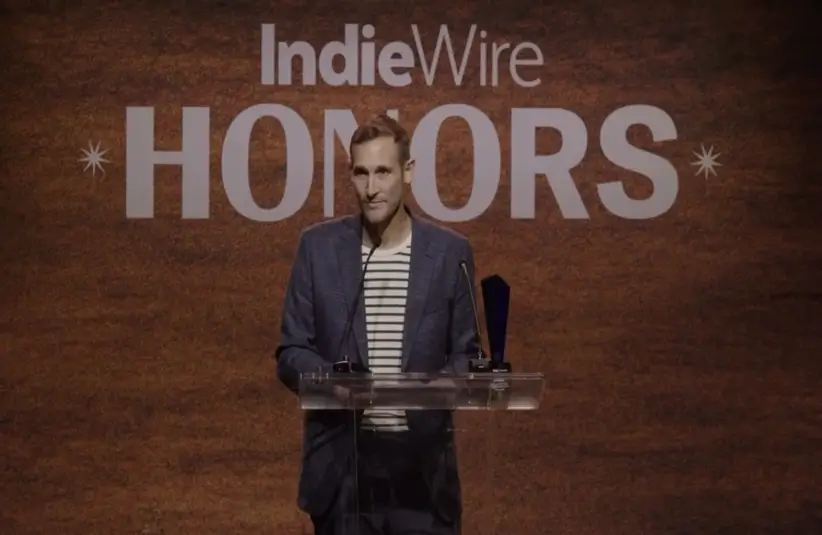
The atmosphere at the recent IndieWire Honors was charged with a mixture of celebration and urgent reality. When Ryan White took the stage to accept the Magnify Award, the room expected a standard thank-you speech. Instead, the acclaimed filmmaker delivered a raw, impassioned wake-up call to the entertainment industry. White, known for his grip on pulse-pounding narratives, didn’t mince words about the precarious state of nonfiction storytelling. He stood before his peers not just as a winner, but as a defender of art that refuses to fit into a neat, data-driven box.
White used his moment in the spotlight to highlight a crisis that many in Hollywood whisper about but rarely shout: the death of creativity at the hands of the algorithm. He spoke candidly about the fear gripping studio executives, a fear that drives them toward safe, repetitive content, usually true crime or celebrity puff pieces, while leaving challenging, human stories to die on the vine. His speech wasn’t just a complaint. It was a rallying cry for the soul of the documentary format. He reminded the audience that the most powerful stories are often the ones that a spreadsheet would reject instantly.
A Brave Acquisition in a Cowardly Market
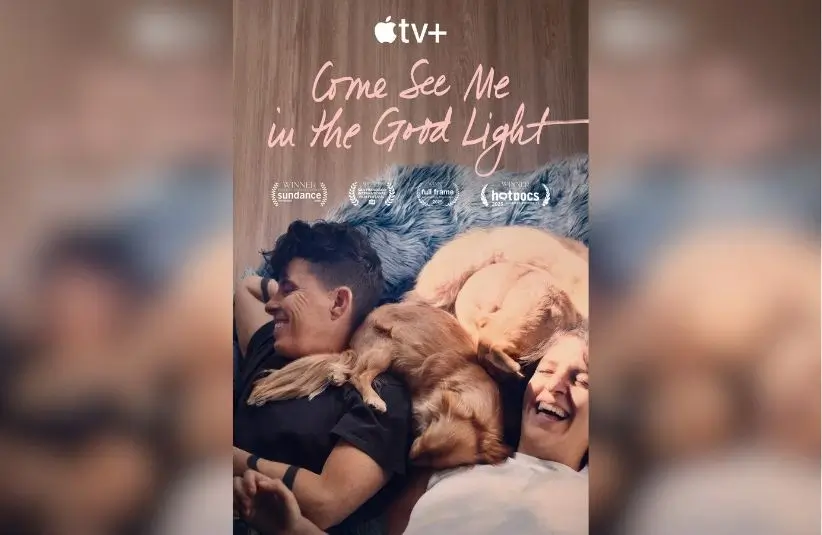
The focal point of White’s speech was his latest project, “Come See Me in the Good Light”. The film is a tender, heartbreaking, yet unexpectedly funny portrait of the love story between poets Andrea Gibson and Megan Falley as Gibson faces declining health. Filmmaker White openly acknowledged that on paper, this movie is a marketing nightmare in today’s climate. He joked during his IndieWire acceptance speech that the pitch led with words like “poetry,” “cancer,” and “queer non-binary,” descriptors that usually send risk-averse buyers running for the hills.
Yet, despite the industry’s obsession with “commercial viability,” Apple TV stepped up to the plate. White praised executives Molly Thompson and Rose Ermer Knipp for what he jokingly called the insane decision to buy the film. This acquisition serves as a beacon of hope, proving that there are still decision-makers willing to champion emotional resonance over algorithmic safety. By backing a film that defies easy categorization, these executives didn’t just buy a product; they invested in the kind of human connection that initially made people fall in love with movies.
The Filmmaker Takes a Stand for Human Stories
White has built a formidable career by diving into complex, often dark subjects, but he insists that the industry is currently in a difficult place. During the event at Nya West in Hollywood, he lamented that countless incredible independent documentaries are presently sitting on shelves, unsold and unseen. These are films that could change perspectives or touch hearts, but they are being ignored because they don’t immediately promise to keep viewers glued to a streaming app for hours on end.
The filmmaker emphasized that feeding the algorithm is a race to the bottom. When studios only greenlight projects based on past data, they create a feedback loop of sameness. White argued that audiences are actually craving something different, something real. By ignoring these independent voices, studios are not only failing artists but also underestimating the intelligence and emotional depth of the viewing public. His plea was clear: we need more executives who lead with their gut and their heart, rather than their calculator.
Why This Documentary Defies the Spreadsheet
The origin story of “Come See Me in the Good Light” is a testament to the unpredictable magic of documentary filmmaking. Filmmaker White and his long-time producing partner, Jessica Hargrave, had originally pestered comedian Tig Notaro for a comedy project. When Notaro eventually came back to them with a poetry cancer film, White admitted they were initially appalled. It sounded depressing. It sounded niche. It sounded like everything a commercial filmmaker is told to avoid if they want to pay the bills.
But as White noted to IndieWire Honors, “Tig is always right.” Once production began, the team discovered that this story about mortality was actually exploding with life. White described the production process as filled with nonstop laughter, joy, and dancing. The subjects, Gibson and Falley, refused to treat the end of life as a purely dark time. This unexpected pivot from tragedy to celebration is exactly the kind of nuance an algorithm can’t predict. It requires a human eye to see that a story about death can actually be the funniest film of the year.
Ryan White and the Legacy of True Storytelling
To understand the weight of his words, you have to look at White’s track record. He isn’t an outsider throwing stones; he is a veteran filmmaker who has delivered massive hits. From the investigative depth of Netflix’s “The Keepers” to the shocking political thriller “Assassins”, White knows how to hold an audience. “Assassins”, for instance, dissected the bizarre murder of Kim Jong Nam with the tension of a spy novel, proving White can handle international intrigue just as well as intimate portraits.
His portfolio also includes “The Case Against 8” and “Ask Dr. Ruth”, showcasing a range that few directors possess. When a filmmaker with this level of commercial and critical success says the system is broken, the industry needs to listen. He has proven time and again that he knows how to hold powerful people accountable and how to tell stories that matter. His critique of the current market isn’t bitterness; it’s a protective stance over an art form he has dedicated his life to perfecting.
A Call to Action for Industry Executives
The speech at IndieWire Honors concluded with a look toward the future. White took time to shout out his editor, Berenice Chavez, calling her his copilot and reminding the crowd that documentary filmmaking is a deeply collaborative art. It takes a village to craft these stories, and when studios refuse to buy them, they aren’t just hurting a director; they are dismantling an entire ecosystem of creative professionals, editors, producers, and cinematographers who dedicate their lives to capturing the truth.
Ultimately, White left the room with a challenge. He urged studios and streamers to stop playing it safe. He called on them to step up and support independent visions that don’t fit the mold. For the filmmaker, the release of “Come See Me in the Good Light” is a victory, but it shouldn’t be an anomaly. It should be the standard. As the applause faded, the message hung in the air. If we let algorithms dictate our culture, we lose the very humanity that makes life and movies worth watching.
