
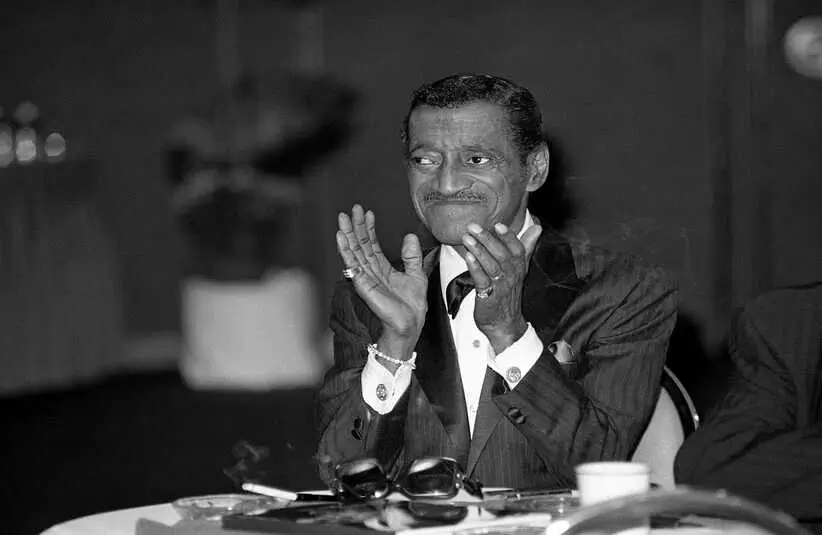
5 Iconic Films Featuring Sammy Davis Jr. That Define His Talented Legacy

There are entertainers, and then there is Sammy Davis Jr. To call him a “triple threat” feels almost insulting because the man didn’t just sing, dance, and act – he commanded the very air in the room. He was the kind of talent that makes you look at your own life and wonder why you can barely walk and chew gum at the same time. Really.
But beyond the glitz of the Rat Pack and the smoke-filled Vegas showrooms, Sammy Davis Jr. left behind a legacy of films that is as complex and groundbreaking as the man himself. While he’s often remembered as Frank Sinatra’s coolest sidekick or the guy who could (literally) tap dance circles around anyone, his work on the silver screen tells a much deeper story.
Sammy Davis Jr’s Legacy in Films
It’s a story of breaking barriers, fighting for dignity in a segregated Hollywood, and proving that charisma isn’t something you learn – it’s truly something you are. If you really want to understand the Sammy Davis Jr. legacy, you have to look past the tuxedo and into the character work. Here are five films that capture the essence of Mr. Show Business.
“Porgy and Bess” (1959)
If you want to talk about a role that fits an actor like a bespoke suit, you have to talk about Sportin’ Life in “Porgy and Bess.” This wasn’t just a role; it was a cultural moment. Sammy Davis Jr. fought tooth and nail to get this part, and when you watch him onscreen, you’ll understand why. He plays the drug-dealing, skepticism-spouting tempter with a serpentine grace that is impossible to look away from.
When he croons “It Ain’t Necessarily So,” he isn’t just singing a Gershwin tune; he’s deconstructing the scene with a smirk and a slide. It’s slick, it’s subversive, and it’s arguably the definitive performance of the character. This film showcased his ability to be magnetic even when playing the villain, a testament to his sheer star power and legacy.
“Ocean’s Eleven” (1960)
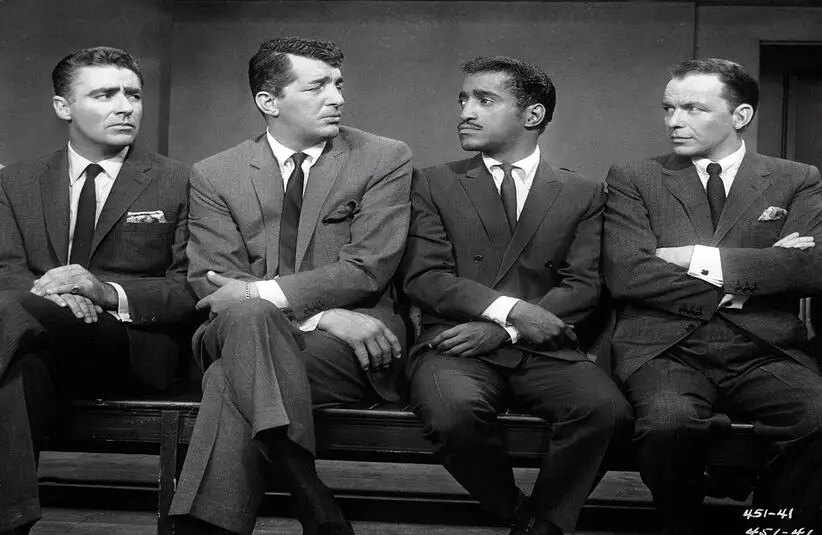
Forget the Clooney and Pitt remake for a hot minute. The original “Ocean’s Eleven” is pure, absolute cool, and Davis is the heart of the whole operation. As Josh Howard, the sanitation truck driver with a penchant for high stakes, he brings a frantic, joyous energy to the heist that balances out Frank Sinatra’s icy calm and Dean Martin’s boozy charm. But the main reason this film is on the list is the musical number “Eee-O-11.” It’s an expert piece in vocal control and effortless style. This film solidified the Rat Pack mythology, but it also proved that Davis could hold his own among the biggest titans of the industry without breaking a sweat.
“A Man Called Adam” (1966)
Here is where we strip away the “Candyman” sweetness and get into the raw nerves. In “A Man Called Adam,” Sammy Davis Jr. plays a jazz musician crumbling under the weight of racism, guilt, and addiction. This isn’t the happy-go-lucky song-and-dance man; this is a dramatic tour de force that allows him to channel the frustrations of his own life into art. Watching him spiral onscreen is uncomfortable and quite heartbreaking, but necessary. It showed the world that his talent had serious depth and that he wasn’t afraid to get ugly for the sake of the truth. It remains a powerful, if underappreciated, piece of Sammy Davis Jr. and his film history – and legacy.
“Sweet Charity” (1969)
Sometimes, you just need to see a legend do what they do best. In “Sweet Charity,” Sammy Davis Jr. swoops in as Big Daddy Brubeck, a hippie cult leader (yes, you read that right), and absolutely steals the movie with “The Rhythm of Life.” It’s a psychedelic explosion of choreography, vocals, and pure charisma. He is on screen for a relatively short time, but the impact is seismic. It captures the late 60s zeitgeist perfectly while reminding everyone that no matter how weird the era got, Sammy Davis Jr. could adapt, evolve, and still be the coolest guy in the frame. It’s vibrant, it’s fun, and it’s an iconic part of his legacy.
“Tap” (1989)
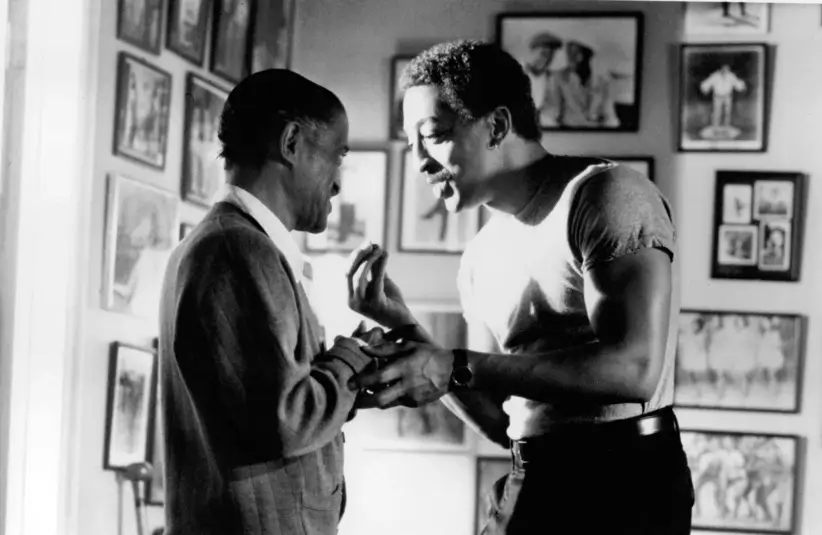
We’re ending with a tearjerker. “Tap” was one of Sammy Davis Jr’s final film roles, and it served as a beautiful passing of the torch to the next generation, represented by Gregory Hines. Playing Little Mo, Davis doesn’t just rely on nostalgia; he delivers a performance filled with warmth, wisdom, and, of course, rhythm. The challenge scene, where he proves he’s still got the moves despite his age, is enough to make a grown man cry. It’s a celebration of tap dance history and a poignant capstone to Sammy Davis Jr’s career legacy, defined by movement. It was the perfect and fitting goodbye letter to the art form he loved so dearly.
A Few Last Thoughts
Whether it’s a singing drug dealer, a sanitation truck driver, a jazz musician under pressure, a hippie, or a tap dancer, Sammy Davis Jr‘s legacy will live strong. He paved the way for so many people, including the late Gregory Hines and Leslie Odom Jr. In fact, Odom is potentially making a film about Davis. Whether you have just heard of Sammy Davis Jr. or are a fan of his work, now is the perfect time to check out this versatile actor, dancer, and singer’s films.
