
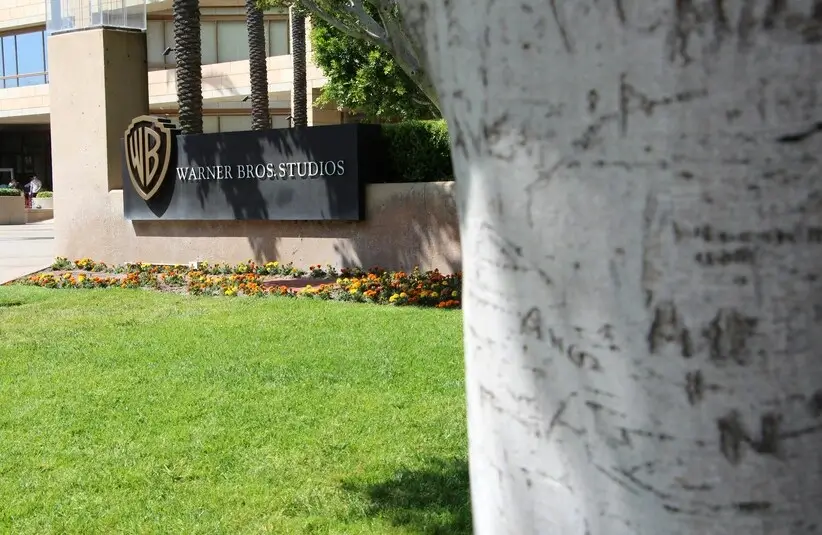
Warner Bros. Acquisition: Cinema United Responds With Official Statement

The entertainment landscape just shifted beneath our feet, and the aftershocks are already being felt. In a move that industry insiders have feared for years, Netflix has officially acquired Warner Bros., placing one of Hollywood’s most historic studios under the banner of the streaming giant. The Netflix-Warner Bros. deal is sure to bring a massive change in the entertainment industry.
Cinema United Speaks Out Against Netflix’s Warner Bros. Acquisition
Cinema United, the trade association representing over 30,000 screens across the U.S. and thousands more internationally, has come out swinging against the deal. Their statement isn’t just a press release; it’s a warning shot about the future of the movie-going experience as we know it.
At the heart of the conflict is the “theatrical window”—that exclusive period where a movie plays only in cinemas before hitting home video or streaming. For decades, this window has been the lifeblood of theater owners. Cinema United President and CEO Michael O’Leary didn’t mince words regarding the threat this acquisition poses.
He said on the home site, Cinema United, “The proposed acquisition of Warner Bros. by Netflix poses an unprecedented threat to the global exhibition business. The negative impact of this acquisition will impact theatres from the biggest circuits to one-screen independents in small towns in the United States and around the world.”
He added, “Cinema United stands ready to support industry changes that lead to increased movie production and give consumers more opportunities to enjoy a day at the local theatre. But Netflix’s stated business model does not support theatrical exhibition. In fact, it is the opposite. Regulators must look closely at the specifics of this proposed transaction and understand the negative impact it will have on consumers, exhibition and the entertainment industry.”
Netflix’s Track Record vs. Warner Bros.’ Legacy
Warner Bros. is synonymous with the big screen experience. Netflix, conversely, is the architect of the “stay at home” era. The friction here is palpable. O’Leary pointed out that “Netflix success is television, not movies on the big screen,” noting that true commitment requires marketing support and genuine exclusivity, not just a token release to qualify for Oscars.
The Cinema United President went on to describe theaters as important for communities. When a theater closes, it’s not just about losing a place to buy popcorn; it impacts local restaurants and businesses that rely on the foot traffic from a Friday night premiere. It’s hard not to feel the weight of this argument. According to Variety, Netflix CEO Ted Sarandos said that Netflix has “no opposition to movies in theatres.”
There is a distinct difference between watching a tentpole film in a packed IMAX theater and watching it on a tablet during a commute. If Netflix treats Warner Bros. films like content for the algorithm rather than cinema events, we lose a communal aspect of pop culture. While the mood is grim regarding the Warner Bros. news, looking elsewhere in the industry offers a fascinating counter-narrative.
The acquisition of Warner Bros. by Netflix is a landmark moment, but its legacy is yet to be written. Will it be the final nail in the coffin for the theatrical experience, or will it force an evolution that creates a new model for film distribution? Regulators, industry players, Cinema United, and moviegoers are all watching closely. The fate of Warner Bros., and perhaps the entire cinema industry, hangs in the balance.
Final Thoughts
Amazon MGM Studios is doubling down on theatrical releases, promising a robust slate of films for 2026. This creates a strange dynamic where Amazon—another tech giant—seems to understand the value of the box office better than Netflix does. If Amazon’s strategy pays off, it could pressure Netflix to maintain a stronger theatrical presence for Warner Bros. titles, proving that streaming and cinemas can coexist if managed correctly.
