
Best National Parks to Visit in Winter

Planning a trip to our national parks during the colder months isn’t just about avoiding the crowds (though having a trail all to yourself is a wonderful perk). It’s about seeing these landscapes transformed. Rugged mountains soften under blankets of white, red desert rocks pop against fresh powder, and the air has a crispness that makes that post-hike hot cocoa taste even better.
If you are ready to trade the humidity for a scarf and some serenity, here is why a winter travel adventure to a national park should be next on your bucket list, featuring some of the absolute best spots to visit.
Yellowstone National Park: A Real-Life Snow Globe
There is arguably no park that undergoes a more dramatic and beautiful transformation in winter than Yellowstone National Park. While it is famous for its summer wildlife jams, winter turns this park into a quiet wonderland that feels almost otherworldly.
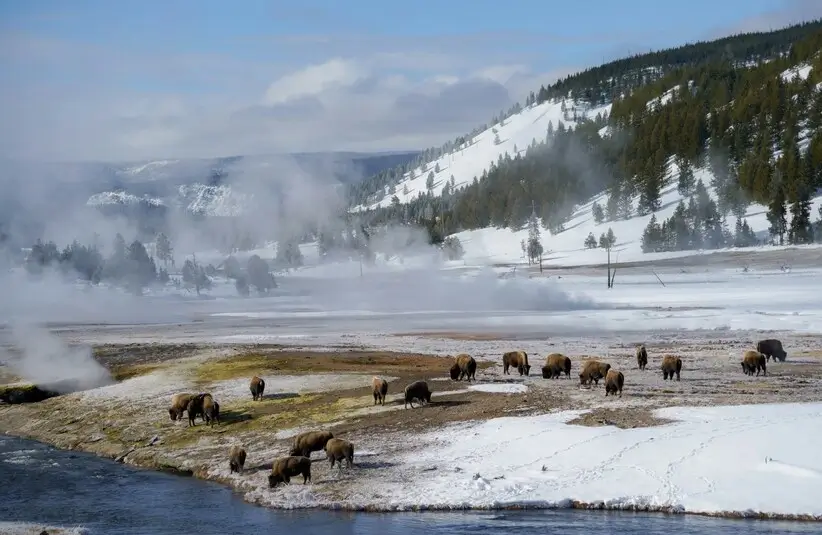
Because most roads close to regular vehicles, you often have to take a snowcoach or a snowmobile to get to the heart of the park, like Old Faithful. This makes the journey part of the adventure. Once you are there, the contrast is stunning: seeing steam rising from thermal geysers against a backdrop of frozen snow is a sight you will never forget. Plus, wildlife spotting is actually easier in the winter. The bison, with their coats dusted in frost, congregate near the thermal areas for warmth, and wolves are easier to spot against the white valleys.
Bryce Canyon National Park: The Ultimate Color Contrast
If you love photography—or just seeing things that don’t look quite real—Bryce Canyon in Utah is the place to be. This park is famous for its “hoodoos,” those tall, thin spires of red rock. In the summer, they are beautiful, but in the winter? They are breathtaking.
The brilliant orange and red stone capped with pure white snow creates a visual contrast that is simply stunning. Because Bryce Canyon sits at a high elevation, snow is common, yet the sun often shines bright, making for crisp, clear days perfect for hiking. Just be sure to pack traction devices for your boots; the trails can get slippery, but the view of the amphitheater is worth every step.
Yosemite National Park: Chasing the Firefall
Yosemite is a heavy hitter in the park system, and for good reason. In the winter, the crowds vanish, leaving the valley quiet and peaceful. You can snowshoe beneath giant sequoias or go ice skating right under the shadow of Half Dome—a memory your family would cherish forever.
But if you can time your winter travel for February, you might catch one of nature’s most elusive shows: the Firefall. For a few weeks, if the conditions are just right, the setting sun hits Horsetail Fall at a specific angle, making the water glow a luminous orange and red, looking exactly like lava flowing down El Capitan. It requires a reservation due to its popularity, but it is a phenomenon worth planning around.
Great Smoky Mountains National Park: Cozy Cabins and Quiet Trails
If you aren’t a fan of deep snowdrifts but still want that chilly winter vibe, the Great Smoky Mountains are a fantastic compromise. After the autumn “leaf-peepers” head home, the park settles into a lovely silence.
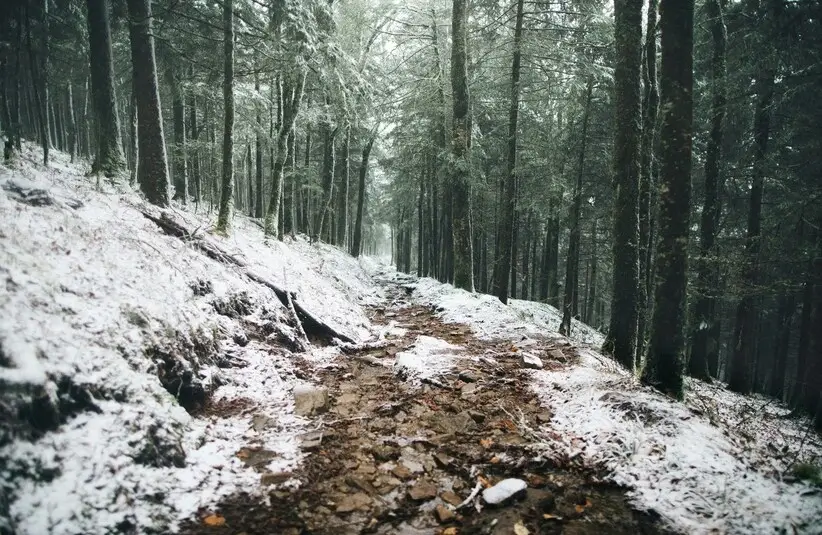
At lower elevations, you can often hike on dry trails without needing snow gear, enjoying the temperate weather. But if you look up, the highest peaks are often dusted in white. This is the perfect trip for those who love the idea of exploring during the day and retreating to a cozy, fire-lit cabin in the evening. Plus, for those traveling with kids, the Bryson City entrance offers a “Polar Express” train ride that captures the holiday spirit perfectly.
Rocky Mountain National Park: A Skier’s Paradise
For those lucky enough to live near Colorado, Rocky Mountain National Park is a backyard treasure. But it’s worth the flight for everyone else, too. This is the destination for the active traveler.
Whether you want to strap on snowshoes to explore Dream Lake or try cross-country skiing on quiet trails, this park delivers. It’s also incredibly close to world-class downhill skiing resorts, allowing you to combine a nature-focused park trip with a luxury resort getaway. After a long day in the cold, nothing beats finding a local hot spring to soak your tired muscles.
Voyageurs National Park: Chasing the Northern Lights
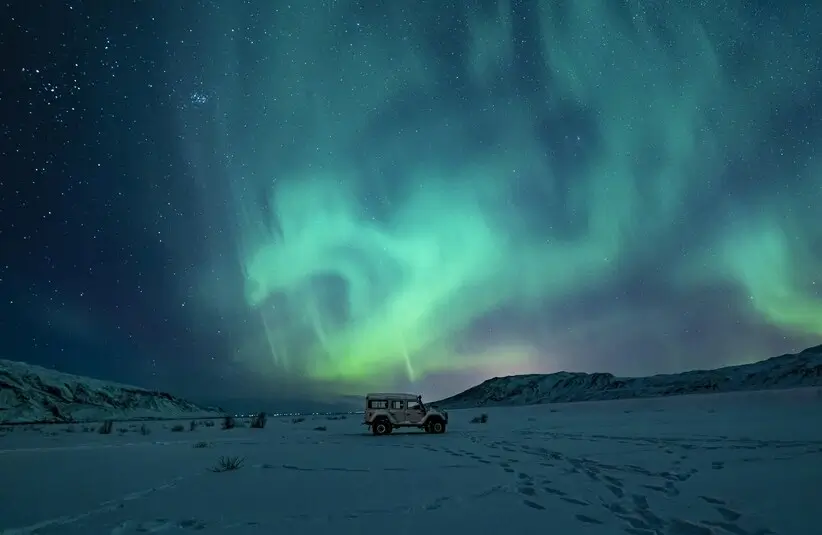
If you are willing to brave true cold for a once-in-a-lifetime experience, head north to Minnesota. Voyageurs National Park is a water-based park that freezes over in winter, creating massive ice highways. But the real draw happens after the sun goes down.
Because of its northern location and lack of light pollution, winter provides your best chance to see the Aurora Borealis, or Northern Lights. Imagine standing on a frozen lake, wrapped in your warmest coat, watching green and purple ribbons dance across the sky. It is a humbling reminder of how beautiful our planet really is.
Planning Your Cold-Weather Travel Getaway
Visiting national parks in the winter does require a little more preparation than a summer jaunt. Roads can close, weather can change instantly, and you need to be serious about your layers (no cotton!). But the reward is solitude and beauty that you just can’t find in July. So, grab your thermos, pack your wool socks, and go see these American treasures in a whole new light.
