
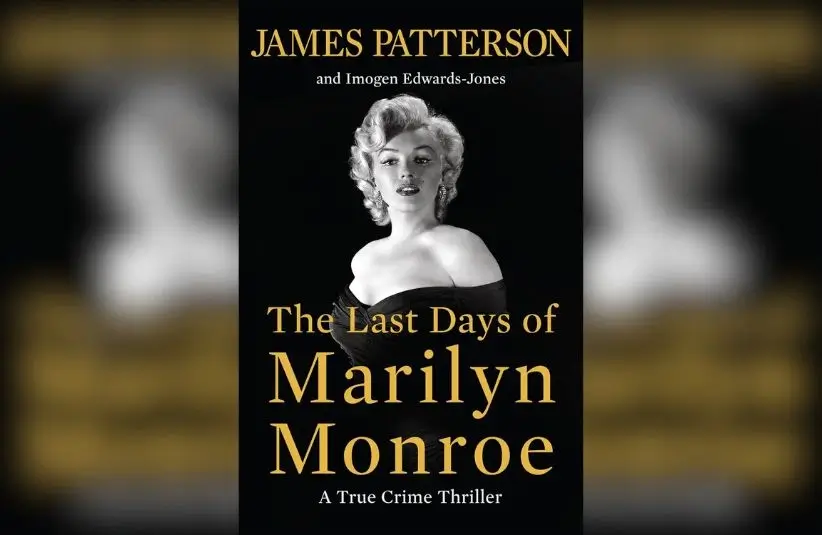
“The Last Days of Marilyn Monroe”: Patterson’s Explosive Claims of Secrets, Silence, and Scandal

Few public figures remain more shrouded in myth, rumor, and unanswered questions than Marilyn Monroe. As a new generation grapples with her legacy, bestselling author James Patterson is stirring the pot once again — suggesting in his upcoming book that the iconic star’s death may not have been the suicide everyone believes it was, but a murder designed to silence dangerous secrets.
Dangerous Associations: Marilyn Monroe’s Fatal Circle
Patterson argues that Monroe was enmeshed with some of the most powerful — and potentially dangerous — figures of her time. “She had these incredible relationships with President Kennedy, and with Robert Kennedy, and with Sinatra, and with Mafia figures. They told her stuff, and she kept track of it. She had information that was kind of dangerous,” Patterson told The Hollywood Reporter.
According to the author, this network of friendships and clandestine conversations could have placed Monroe squarely in the crosshairs. In his view, the combination of political influence, celebrity, and organized‑crime ties made her life — and by extension, her secrets — exceptionally fragile.
Unsettling Doubts: From Foster Homes to a Flawed Autopsy
Patterson also delves into less‑publicized aspects of Monroe’s life, painting a portrait of a woman haunted by instability and emotional pain. He notes that she spent time in 11 foster homes, and even struggled with a childhood stutter — personal traumas he argues shaped the loneliness and insecurity behind her glamorous façade.
But perhaps most striking are his claims about her death: he suggests the investigation was mishandled. “I didn’t know much about the death scene … the autopsy not being as complete as it should have been, that one of the detectives was convinced the scene was staged.” According to Patterson, these irregularities raise serious questions about the official ruling — that Monroe died by suicide.
The New Narrative: Murder, Not Suicide
Patterson’s forthcoming book, “The Last Days of Marilyn Monroe: A True Crime Thriller” (co‑authored with Imogen Edwards-Jones), doesn’t shy away from bold conclusions. While acknowledging the work includes dramatized elements — and bears a disclaimer labeling it “a work of fiction” — Patterson maintains the core of his argument is rooted in true crime research, not sensationalism.
He contends that Monroe’s death was not a tragic act of despair, but a silencing — a deliberate act to bury secrets she was never meant to expose.
Why It Matters: More Than Just a Conspiracy Theory
To many, Marilyn Monroe is more than a star: she is a symbol of fame, feminine power, vulnerability, and tragedy. If Patterson’s claims hold water, they don’t just rewrite the circumstances of her death; they force a reckoning with how fear, power, and secrecy can destroy even the brightest light.
Whether readers accept his version or treat it as speculative fiction, “The Last Days of Marilyn Monroe” revives a debate as old as Hollywood itself: when someone shines in the wrong circles — and knows too much — silence can be the deadliest secret of all.
