
The Ultimate Guide to Winter Seasonal Root Vegetables

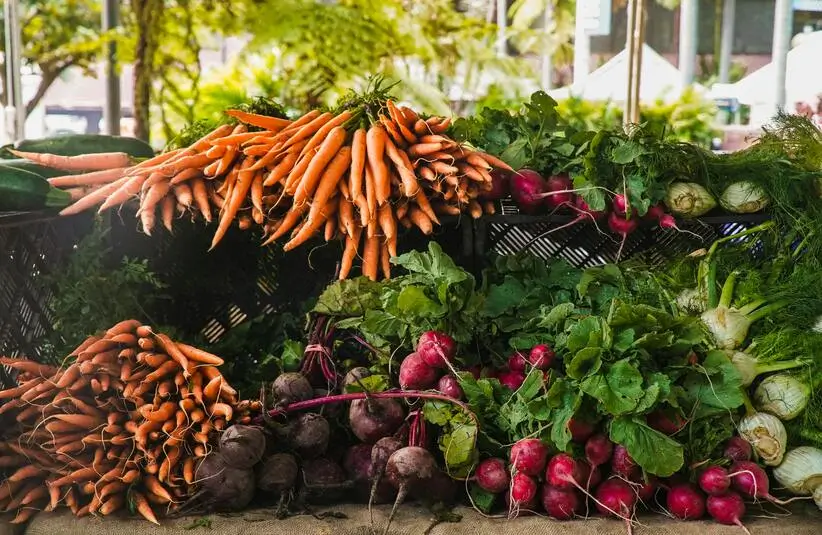
Seasonal root vegetables represent nature’s hidden treasures, living undercover in the soil and emerging out as the hearty staples that signify comfort food all over the world. These root vegetables, comprising earthy beets, sweet carrots, nutty parsnips, and peppery radishes, not only bring colorful tastes to the plate but also keep us in tune with the seasons. When we eat seasonally, we enjoy vegetables at their freshest, most nutrient-packed, and naturally flavorful state, while also supporting local farmers and eco-friendly practices. Root vegetables are very versatile, offering themselves to innumerable ways of cooking that would warm up the soul in winter and refresh the palate in spring.
These vegetables contribute flavor-wise to summer and autumn dishes. During roasting, simmering, mashing, or pickling, root vegetables offer fabulous culinary options. They taste like heaven, from the making of nourishing soups and creamy sides to the tangy crunch that pickling gives. This guide is going to show you their seasons, goodness in nutrition, and yummy recipes, letting you enjoy the good side of eating with the seasons, even while making your everyday meals wholesome and flavorful.
Eating and Freshness
Seasonal produce is the most flavorful and nutritious when it’s picked at its peak. By eating seasonally, one can secure spices like carrots, beets, parsnips, and turnips at their strongest flavor and vitamin levels. Additionally, seasonal produce is fresher, more colorful, and, in most cases, cheaper, which makes it a wise option in terms of both health and taste.
Flavor Benefits
The major benefit of seasonal root vegetables is their ability to enhance flavors. The cold weather sweetens parsnips, carrots, and beets, as it converts starches into sugars along with their natural processing. Thus, these roasted carrots or honey-glazed parsnips are not only extremely delicious but also very hard to resist. Choosing vegetables in season ensures the most intense tasting experience.
Nutritional Value
Root vegetables contain high amounts of vitamins, minerals, and antioxidants. Carrots are rich in beta-carotene, beets provide a lot of folate, and sweet potatoes are a good source of vitamin A. Eating these vegetables in season means getting the highest level of those nutrients, which are the main factors for immunity and general health. Thus, seasonal dishes like beet salads or sweet potato soups will not only taste good but will also be very good for health.
Cost Savings
Buying root vegetables is an eco-friendly choice since they are locally available at lower prices during harvest times. Carrots, potatoes, and radishes are, therefore, going to be sold at a lower price and with better freshness when compared to imported ones. Using these recipes, such as potato stews or radish pickles, not only helps to extend your grocery budget but also allows the use of high-quality ingredients.
Sustainability
Eating by season supports local farmers and, at the same time, reduces the carbon footprint related to the movement of out-of-season produce. The selection of root vegetables like turnips, rutabagas, and parsnips is one way of practicing environmentally conscious practices. The consumption of these recipes made of locally grown vegetables not only brings more taste but also contributes to a healthier planet.
Winter’s Harvest Magic
Winter veggies are not only nature’s hidden gem but are also a treasure trove of flavors and nutrients during the cold season. These seasonal jewels have much more to offer than their edibility—comfort in every swallow. Earthy carrots and beets that roast into caramelized sweetness are among them, along with kale and spinach that make the heart of the soup bursting with life. Cauliflower and broccoli are made crunchy by stir-frying or buttery by making gratin, and turnips and radishes are used to add a spicy flavor to salads and soups.
Even cabbage, in its simplest form, is getting the spotlight, whether it is grated and added to tangy sauerkraut or cooked with spices in a warm curry. Winter veggies are not only on our plates; they are also in our hearts, turning cold winter nights into a feast of colors, health, and happiness.
Recipes and Cooking Ideas
Root vegetables are present in every recipe imaginable. Roasting them brings out their natural sweetness, while soups and stews go on to deepen the flavor, and pickling is done to maintain the crunch. Some of the recipes, like roasted beet salad, mashed rutabagas, or parsnip soup, are what really display the versatility of these vegetables. The cooking of seasonal produce makes it possible to have meals that are wholesome, flavorful, and in sync with nature’s rhythm.
Conclusion
Seasonal root vegetables are not simply ingredients; they are the singing of nature’s cycles, nutrition, and flavor. When you choose to eat according to the seasons, you not only get to eat the freshest vegetables but also unlock the world of tastes and support the eco-friendly farming practices. The use of carrots, beets, parsnips, and turnips in recipes from winter’s hearty soups to spring’s refreshing salads can make your kitchen full of variety and creativity all year round.
Selecting root vegetables means cooking the smart way, eating the healthy way, and aligning with the seasons. You will find this ultimate guide as an invitation to explore, experiment, and relish the never-ending possibilities that seasonal dishes can offer, along with these humble but mighty vegetables.
